

A Local Guide to Maltese Wine: What to Order, Native Grapes, Tasting Rooms and Tourist-List Traps
Malta’s wine culture is small enough to feel personal, yet varied enough to reward curiosity. The mistake many visitors make is asking only for “a local wine.” A better approach is to look for the producer, vintage, grape variety and origin category, then choose a style that suits the food and the moment.
Start with Malta’s two native grapes. Girgentina is the indigenous white variety and is usually the easiest introduction: expect a light, fresh style, often with citrus, orchard-fruit or floral notes, depending on the producer and whether it is blended. Order it with grilled fish, shellfish, salads, mild ġbejna or a seafood pasta. Ġellewża is the native red grape. It may appear as a red, rosé, semi-sparkling wine or part of a blend, commonly bringing ripe red-fruit character and gentle spice. Try it with rabbit, tomato-based dishes, grilled meat or mature cheese.
Do not ignore wines made from international grapes grown on the islands. Maltese Chardonnay, Syrah, Merlot, Cabernet Sauvignon and Vermentino can show how limestone-rich soils, sunshine and maritime conditions influence familiar varieties. A useful first tasting is one native white, one native red or rosé, and one DOK Malta or DOK Gozo wine made from an international grape.
Labels offer the clearest protection against vague “tourist wine” claims. DOK Malta and DOK Gozo identify protected wines produced under regional rules, while IĠT Maltese Islands covers certified wines from grapes grown across Malta and Gozo. Certified bottles may carry an official banderole around the neck. These terms do not guarantee that every bottle will match your personal taste, but they provide stronger evidence of local origin than phrases such as “Maltese style” or “bottled in Malta.”
A good restaurant wine list names the producer, vintage, grape or blend, appellation and bottle size. Staff should be able to describe the wine without simply calling it “dry” or “sweet.” Be cautious when a list offers anonymous “local red” and “local white,” gives no vintage, or places one inexpensive bottle beside a long selection of imports while presenting the entire section as Maltese. Ask to see the bottle before ordering a glass.
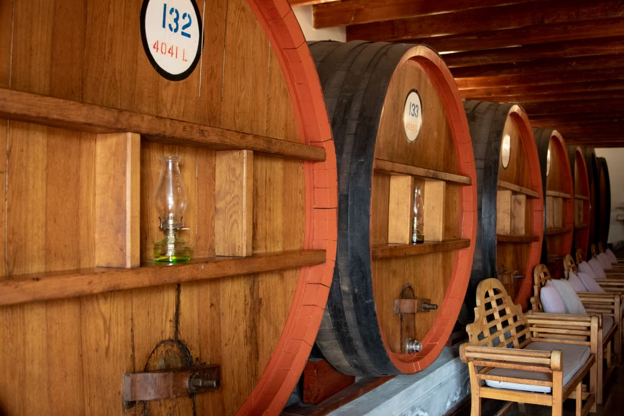
For a deeper introduction, book a guided tasting. Marsovin welcomes visitors to its historic cellars by advance reservation; Meridiana offers estate tours and terrace tastings near Mdina; Delicata runs tutored sessions in its tasting vaults; and Ta’ Betta hosts private experiences by appointment. On Gozo, Tal-Massar offers small-scale tastings at its family estate in Għarb. Availability and formats change, so reserve directly and arrange a taxi or designated driver.
The best way to understand Maltese wine is to compare rather than chase the most expensive label. Taste slowly, ask where the grapes were grown, notice how the wine changes with food, and choose a bottle whose origin is clearly explained before ordering confidently.
At 1926 Les Bains, you are perfectly placed to discover Malta’s wine culture, from relaxed glasses in Sliema to memorable vineyard and cellar visits. For reservations and enquiries, contact reservations@1926collection.com or call +356 2133 3570.
