

Malta for architecture lovers: a “details” walking list
Malta is often admired for its grand architecture — the churches, fortifications, and honey-colored streets that define the island’s skyline. But for architecture lovers, the real beauty of Malta is often found in the details. Beyond the major landmarks, the island reveals itself through carved stone frames, weathered staircases, colorful wooden balconies, ornate door knockers, and decorative tiles that quietly tell stories about craftsmanship, history, and daily life. Exploring Malta slowly, detail by detail, transforms an ordinary walk into something far more immersive.
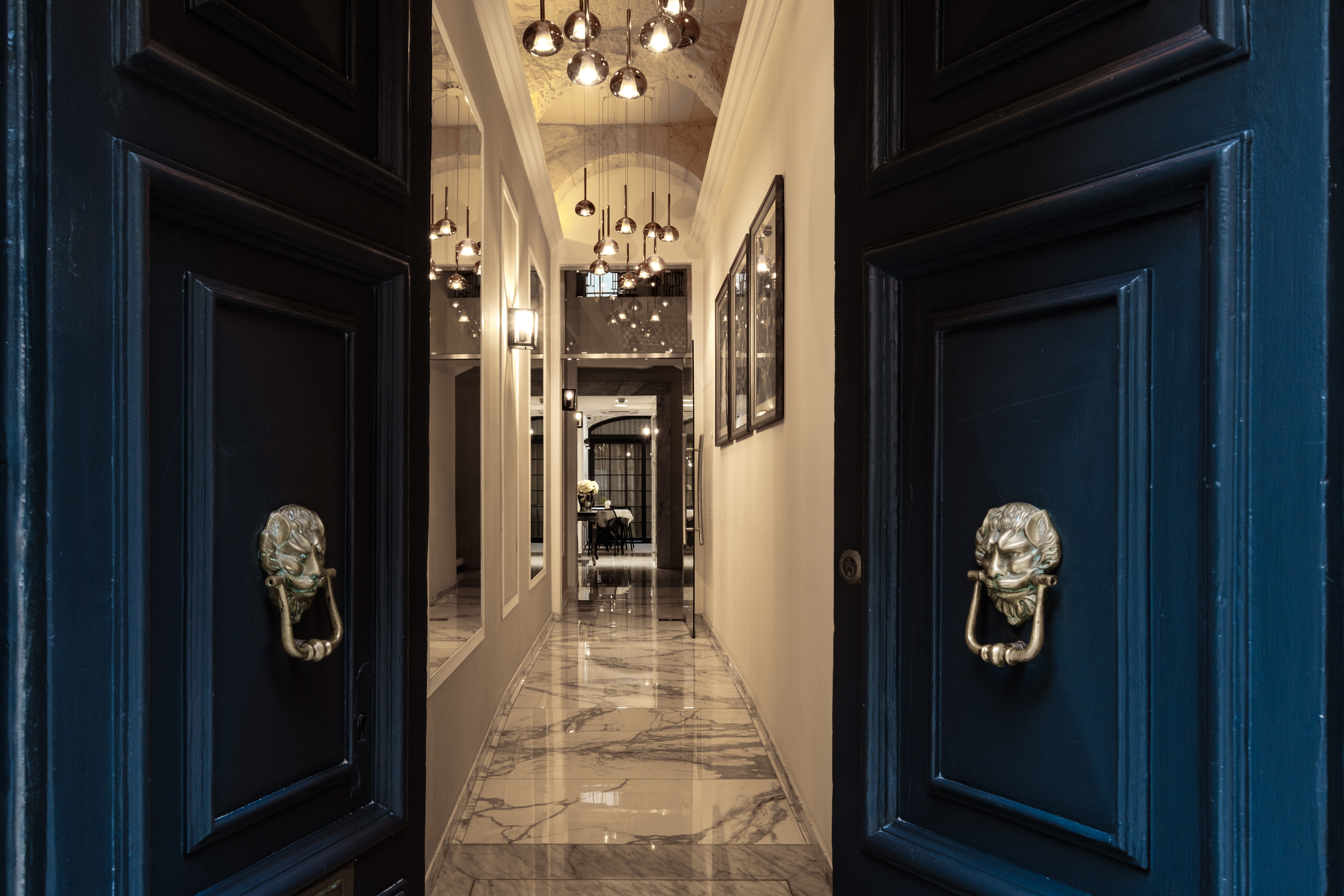
One of the first things visitors notice is the extraordinary variety of doors scattered across Maltese streets. Deep blues, rich greens, burgundy reds, and faded pastel shades stand out against the warm limestone façades. Many are framed by carved stonework or traditional iron lanterns, reflecting a blend of Mediterranean elegance and local identity. The door knockers themselves are often miniature works of art — lions, dolphins, hands, crosses, and mythological symbols appear throughout Valletta, Mdina, and the Three Cities, each carrying traces of Malta’s layered cultural influences.
Traditional tiles are another detail worth paying attention to. In older townhouses, patterned entrance tiles known as cementina decorate hallways and thresholds with geometric and floral motifs. These small artistic touches reveal how strongly design and craftsmanship have always been connected to Maltese homes. Even modern renovations across the island often preserve these original tile patterns as part of the building’s character.
Staircases also play an important role in Malta’s architectural atmosphere. Narrow stone stairways curve through historic buildings, while exterior steps leading to churches and palazzos create dramatic visual symmetry. In places like Valletta and Mdina, the changing elevation of the streets creates unexpected perspectives where staircases, arches, and balconies interact beautifully with sunlight throughout the day.
For visitors interested in architecture, one of the best approaches is not to rush between landmarks. Instead, choose a neighborhood and walk slowly. Valletta offers endless Baroque detailing, Mdina reveals quieter medieval textures, and the Three Cities provide some of the island’s most authentic residential architecture. Looking upward is essential — many of Malta’s finest details sit above eye level, hidden in balconies, cornices, and carved limestone windows.
Staying in a centrally located boutique hotel Malta experience allows travelers to explore these architectural details at a slower and more rewarding pace. Malta is a destination best understood through observation, where even the smallest design element becomes part of the island’s cultural identity.
After a full day of exploration, returning to comfort completes the experience. Secure your stay at 1926 Les Bains Malta, where your evenings transition effortlessly from discovery to relaxation. Whether you’re looking for a calm reset or a wellness stay in Sliema, 1926 Les Bains offers the perfect balance of location and serenity. Book your room now or contact reservations@1926collection.com or +356 2133 3570 for more information.
